Introduction
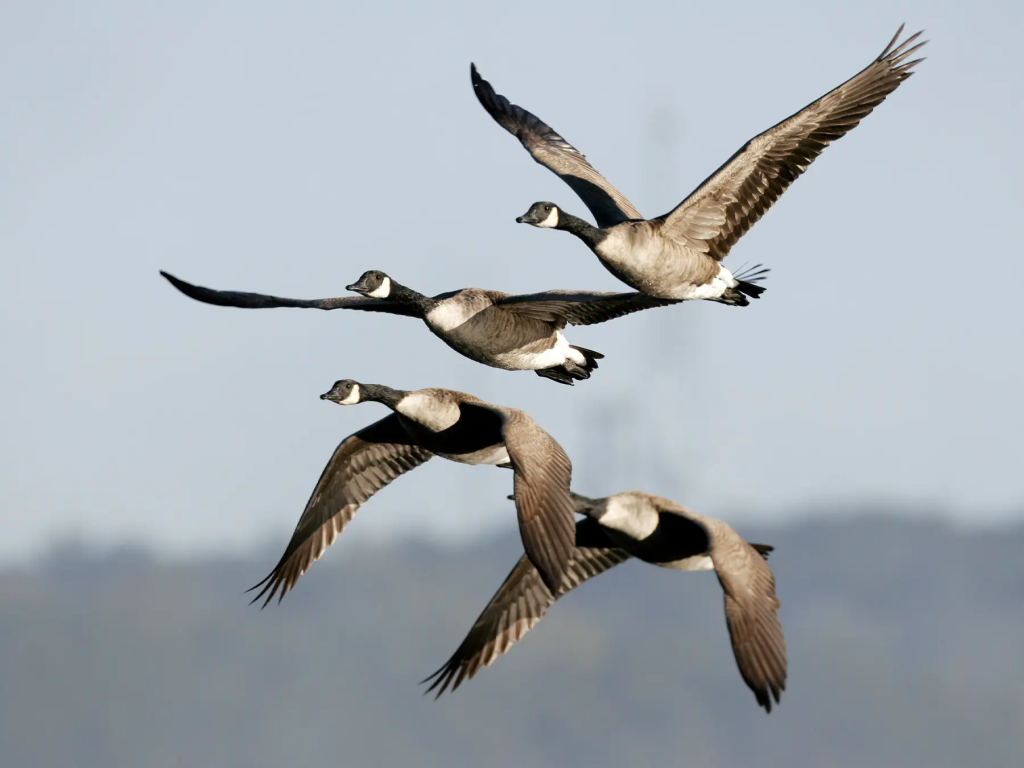
Bird Migration Patterns are among the most remarkable natural phenomena on Earth. Every year, billions of birds travel thousands of kilometers between breeding and wintering grounds, following routes that have existed for generations. These incredible journeys help birds find favorable climates, abundant food, and safe nesting locations. Migration is not random but follows predictable seasonal cycles influenced by weather, daylight, food availability, and evolutionary instincts.
Scientists have spent decades studying Bird Migration Patterns to better understand how birds navigate vast oceans, deserts, forests, and mountain ranges. Modern tracking technology has revealed that many species return to the exact same nesting sites year after year with astonishing precision. Whether flying in large flocks or traveling alone, migratory birds demonstrate extraordinary endurance and adaptability. Understanding these movements also helps conservationists protect critical habitats that birds rely on throughout their annual journeys.
What Are Bird Migration Patterns?
Bird Migration Patterns describe the regular seasonal movement of birds between different geographic regions. Migration usually occurs twice each year, with birds traveling to breeding areas during spring and returning to warmer winter habitats in autumn. Some species migrate only short distances, while others travel across entire continents.
Migration evolved because seasonal environments provide rich breeding opportunities but become difficult to survive during colder months. Birds move to locations where food is more plentiful and weather conditions are favorable. These journeys vary greatly depending on species, habitat, and climate. Some birds follow coastlines, while others cross open oceans or mountain ranges. The consistency of Bird Migration Patterns demonstrates the remarkable biological programming that has developed over millions of years through natural selection.
Why Birds Migrate
Migration is primarily driven by survival and reproduction. Food availability changes dramatically with the seasons, especially in temperate and polar regions. During winter, insects disappear, plants produce fewer seeds, and water bodies may freeze. Rather than remaining in harsh conditions, many birds relocate to warmer environments where food remains abundant.
Breeding is another important reason for migration. Northern regions often provide longer daylight hours during summer, giving parent birds more time to gather food for their young. Reduced competition and fewer predators also improve breeding success. Although migration requires tremendous energy, the reproductive benefits outweigh the risks. As a result, many bird species have developed highly efficient migration strategies that maximize survival while ensuring successful reproduction each year.
Types of Bird Migration
Migration occurs in several different forms depending on species and environmental conditions. Long-distance migrants travel thousands of kilometers between continents. Arctic terns, for example, complete one of the longest migrations in the animal kingdom, moving between the Arctic and Antarctica annually.
Short-distance migrants move only a few hundred kilometers to escape unfavorable weather. Altitudinal migration involves birds traveling from high mountains to lower elevations during winter. Partial migration occurs when only part of a population migrates while others remain in the same location year-round. Some species also display irregular migration based on changing food supplies or unusual weather conditions. These diverse strategies demonstrate the flexibility and adaptability that characterize Bird Migration Patterns across different ecosystems.
How Birds Navigate During Migration
One of the greatest mysteries in ornithology is how birds find their way over enormous distances. Research shows that birds use multiple navigation systems simultaneously. The position of the sun helps them determine direction during daylight, while stars provide orientation during nighttime flights.
Birds can also detect Earth’s magnetic field using specialized sensory mechanisms. This natural compass enables them to maintain accurate routes even when visual landmarks disappear. Rivers, coastlines, mountain ranges, and forests serve as additional navigation guides. Experienced adult birds often remember successful migration routes and pass this knowledge to younger generations through social learning. Combining instinct, environmental cues, and memory allows birds to complete extraordinary journeys with remarkable accuracy.
Major Bird Migration Routes Around the World
Several major migration flyways connect breeding and wintering habitats across the globe. These routes provide essential resting and feeding locations where birds replenish energy before continuing their journeys.
The East Atlantic Flyway connects northern Europe with western Africa. The Pacific Flyway extends from Alaska through western North America to South America. The Central Asian Flyway links northern Asia with the Indian subcontinent and surrounding regions. The East Asian–Australasian Flyway supports millions of waterbirds traveling between Siberia, Southeast Asia, and Australia. Protecting these flyways is essential because habitat loss at any stopover location can significantly affect entire bird populations.
Challenges Faced During Migration
Migration presents numerous dangers that threaten bird survival. Extreme weather conditions, including storms, strong winds, and heatwaves, can force birds off course or exhaust their energy reserves. Long flights over oceans and deserts leave few opportunities for rest or feeding.
Human activities have created additional challenges. Habitat destruction removes important stopover sites where birds refuel during migration. Urban development introduces collisions with buildings, communication towers, and power lines. Artificial lighting can confuse nocturnal migrants, leading them away from traditional routes. Pollution, pesticides, and climate change further complicate migration by altering food supplies and seasonal timing. These combined pressures have contributed to declining populations of many migratory bird species worldwide.
Climate Change and Bird Migration
Climate change is significantly influencing migration behavior across many species. Rising temperatures affect flowering times, insect emergence, and seasonal food availability. Birds that arrive too early or too late may struggle to find enough resources for successful breeding.
Some migratory species have shortened their journeys or shifted breeding ranges farther north as temperatures increase. Others have altered migration timing by several weeks compared to historical records. While some birds adapt successfully, many species cannot adjust quickly enough to keep pace with rapidly changing environments. Scientists continue monitoring migration data to understand how climate change will shape future Bird Migration Patterns and influence global biodiversity.
Conservation of Migratory Birds
Protecting migratory birds requires international cooperation because many species cross multiple countries during their annual journeys. Conservation efforts focus on preserving wetlands, forests, grasslands, and coastal habitats that provide food and shelter during migration.
Governments, researchers, and environmental organizations monitor bird populations using satellite tracking, bird banding, and citizen science programs. Public awareness also plays an important role in conservation. Individuals can support migration by protecting local habitats, reducing pesticide use, planting native vegetation, and minimizing outdoor lighting during peak migration seasons. Sustainable land management ensures birds continue finding safe resting places along their migration routes for future generations.
Interesting Facts About Bird Migration
Bird migration includes many astonishing records and adaptations. The Arctic tern travels approximately 70,000 kilometers annually, experiencing more daylight than any other animal. Bar-tailed godwits complete nonstop flights exceeding 11,000 kilometers across the Pacific Ocean without feeding.
Some tiny songbirds weighing less than 20 grams successfully cross large bodies of water during overnight flights. Birds often increase body fat before migration, nearly doubling their weight to store sufficient energy. Certain species fly in V-shaped formations, reducing air resistance and conserving energy for the flock. Others migrate primarily at night to avoid predators and benefit from cooler temperatures. These remarkable abilities highlight the extraordinary endurance and intelligence found throughout the bird world.
The Importance of Studying Bird Migration Patterns
Studying Bird Migration Patterns provides valuable insights into ecology, climate science, and biodiversity conservation. Because migratory birds respond quickly to environmental changes, they serve as indicators of ecosystem health. Monitoring migration helps scientists detect habitat loss, pollution, and climate-related shifts before they become more severe.
Migration research also improves international conservation planning by identifying critical breeding areas, stopover habitats, and wintering grounds. Advances in satellite tracking, GPS technology, and artificial intelligence continue expanding our understanding of bird behavior. As researchers gather more information, conservation strategies become increasingly effective in protecting both birds and the ecosystems they depend upon. Continued scientific study will remain essential for preserving migratory species in a rapidly changing world.
Conclusion
Bird Migration Patterns represent one of nature’s greatest achievements, demonstrating remarkable endurance, navigation, and adaptation. Every year, countless birds undertake challenging journeys that connect ecosystems across continents and oceans. These migrations ensure access to food, breeding opportunities, and suitable climates while maintaining ecological balance throughout the world.
Despite their extraordinary abilities, migratory birds face growing threats from habitat destruction, climate change, pollution, and human development. Protecting migration routes and critical habitats is essential for ensuring these incredible journeys continue for generations to come. By understanding and appreciating Bird Migration Patterns, people can contribute to conservation efforts that safeguard one of the planet’s most fascinating natural wonders.
Leave a Reply