Introduction
Nocturnal Birds and Animals have fascinated people for centuries because they become active when most of the world is asleep. While daytime wildlife relies on sunlight for hunting, feeding, and communication, nocturnal creatures have evolved extraordinary abilities to survive under the cover of darkness. From silent-flying owls to agile bats and stealthy foxes, these remarkable species demonstrate how life flourishes even in the darkest hours.
The world after sunset is full of activity that often goes unnoticed. Forests, deserts, wetlands, and even urban areas become home to countless species searching for food, protecting territories, and raising their young. Scientists continue discovering new facts about nighttime wildlife, revealing how these creatures have adapted to their unique lifestyles. Learning about Nocturnal Birds and Animals helps us appreciate biodiversity and understand the importance of preserving natural habitats that support these extraordinary species.
What Are Nocturnal Birds and Animals?
Nocturnal birds and animals are species that are primarily active during the night and spend most of the daytime resting or hiding. This behavior allows them to avoid predators, escape daytime heat, and take advantage of food sources that are easier to find after sunset. Their biological clocks, known as circadian rhythms, are naturally adapted to nighttime activity.
Many nocturnal species possess exceptional physical characteristics that help them survive in low-light conditions. Large eyes improve night vision, while highly developed hearing and an excellent sense of smell compensate for limited visibility. Some animals even use echolocation to navigate and locate prey. These remarkable adaptations enable Nocturnal Birds and Animals to thrive in environments where daylight creatures might struggle. Their unique behaviors illustrate nature’s incredible ability to adapt to different ecological conditions.
Unique Adaptations for Night Survival
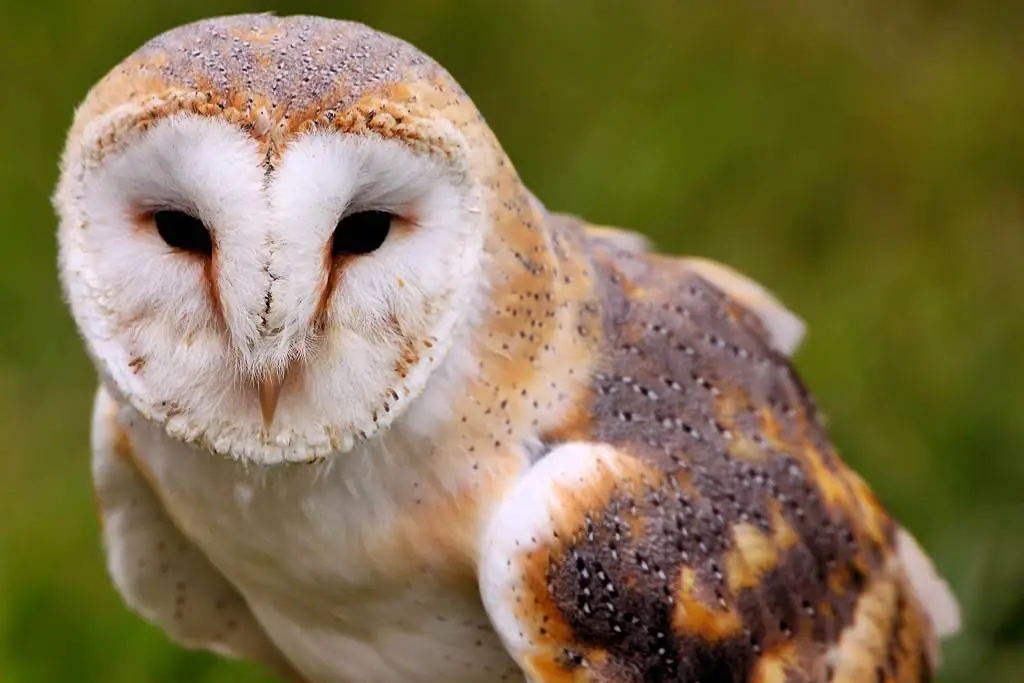
Living in darkness requires specialized adaptations that differ significantly from those of daytime animals. Many nocturnal birds have large forward-facing eyes capable of collecting even the smallest amount of available light. Owls, for instance, possess exceptionally sensitive vision combined with outstanding hearing, allowing them to detect tiny movements beneath leaves or snow.
Mammals such as bats rely on echolocation by emitting high-frequency sounds and interpreting the returning echoes to identify objects and prey. Other nocturnal creatures have soft fur or feathers that reduce noise while moving, making hunting more successful. Camouflage also plays an important role, helping animals blend into nighttime surroundings. These extraordinary features have evolved over thousands of years, allowing Nocturnal Birds and Animals to occupy ecological niches with less competition and greater opportunities for survival.
Common Nocturnal Birds Around the World
Among nighttime birds, owls are undoubtedly the most recognized. Their silent flight, powerful talons, and sharp eyesight make them highly efficient predators. Various owl species inhabit forests, grasslands, deserts, and mountainous regions across the globe. Nightjars are another fascinating group, feeding on insects during twilight and nighttime while remaining nearly invisible during the day due to their excellent camouflage.
Kiwis, native to New Zealand, are unique flightless birds that forage for insects and worms after dark using their highly developed sense of smell. Some species of herons and rails also become active at night depending on environmental conditions. These diverse examples highlight how Nocturnal Birds and Animals occupy a wide range of habitats and perform different ecological roles, from controlling insect populations to maintaining balanced food chains.
Fascinating Nocturnal Mammals
Nighttime mammals display incredible diversity in size, habitat, and behavior. Bats are among the most beneficial because many species consume enormous quantities of insects each night, while others pollinate flowers and disperse seeds. Foxes hunt rodents, rabbits, insects, and fruits under the cover of darkness, relying on excellent hearing and keen senses.
Raccoons are intelligent omnivores capable of adapting to forests as well as urban environments. Hedgehogs emerge after sunset to feed on insects, worms, and snails, contributing to natural pest control. Slow lorises, possums, badgers, and aardvarks also belong to the fascinating world of Nocturnal Birds and Animals, each possessing specialized adaptations that allow successful nighttime survival. Their varied diets and behaviors contribute significantly to ecosystem stability.
Nighttime Reptiles, Amphibians, and Insects
Not all nocturnal wildlife consists of birds and mammals. Many reptiles, amphibians, and insects become active after sunset. Geckos hunt insects using sticky toe pads that help them climb walls and trees with ease. Numerous frog species begin calling at night to attract mates while avoiding daytime predators and excessive heat.
Moths replace butterflies as nighttime pollinators, visiting flowers that bloom specifically after sunset. Fireflies produce natural bioluminescence to communicate and attract partners, creating one of nature’s most enchanting nighttime displays. Crickets fill the darkness with their characteristic songs, while certain snakes prefer nighttime hunting to avoid high daytime temperatures. Together, these species expand the incredible diversity represented by Nocturnal Birds and Animals and other nighttime wildlife.
Importance of Nocturnal Wildlife in Ecosystems
Nocturnal wildlife plays a vital role in maintaining ecological balance. Predators such as owls and foxes regulate rodent populations, reducing crop damage and limiting disease transmission. Insect-eating bats consume millions of insects every night, benefiting agriculture by naturally controlling pests without chemical pesticides.
Pollinating bats and moths ensure the reproduction of many flowering plants that bloom after sunset. Seed-dispersing mammals help forests regenerate by spreading seeds across wide areas. Decomposers and scavengers active during the night recycle nutrients, contributing to healthy ecosystems. The activities of Nocturnal Birds and Animals support biodiversity, strengthen food webs, and maintain natural processes that benefit both wildlife and human communities alike.
Threats Facing Nocturnal Species
Despite their remarkable adaptations, many nocturnal species face increasing challenges due to human activities. Habitat destruction caused by urban expansion, agriculture, and deforestation removes essential nesting, hunting, and resting areas. Artificial lighting disrupts natural behaviors by interfering with feeding, migration, reproduction, and predator avoidance.
Climate change also affects food availability and seasonal patterns, forcing many species to alter their habits. Pollution, road traffic, pesticides, and illegal wildlife trade further threaten nighttime biodiversity. Conservationists emphasize that protecting forests, wetlands, caves, and grasslands is essential for safeguarding Nocturnal Birds and Animals. Sustainable development and responsible environmental management can significantly reduce these pressures while preserving valuable ecosystems.
How Humans Can Help Protect Nocturnal Wildlife
Everyone can contribute to the conservation of nighttime wildlife through simple yet meaningful actions. Reducing unnecessary outdoor lighting minimizes light pollution and allows animals to maintain natural behaviors. Planting native vegetation provides shelter and food for insects, birds, and mammals that become active after sunset.
Protecting natural habitats, supporting wildlife conservation organizations, and avoiding harmful pesticides all contribute to healthier ecosystems. Responsible tourism also helps minimize disturbance in sensitive nighttime habitats. Education plays an equally important role by increasing awareness about the ecological value of Nocturnal Birds and Animals. When communities understand the importance of these species, they are more likely to support conservation initiatives that ensure future generations can continue appreciating the wonders of nighttime wildlife.
Interesting Facts About Nocturnal Birds and Animals
The nighttime world contains countless fascinating surprises. Owls can rotate their heads approximately 270 degrees because of specialized neck vertebrae. Bats are the only mammals capable of sustained flight and use echolocation with remarkable precision. Many moth species detect predators through sensitive hearing organs that recognize ultrasonic bat calls.
Some desert animals remain nocturnal to avoid extreme daytime heat and conserve water. Fireflies communicate using species-specific flashing patterns, while certain frogs synchronize their calls during breeding seasons. Even some fish become active after dark to reduce competition for food. These amazing characteristics make Nocturnal Birds and Animals some of the most specialized and captivating creatures found in nature.
Conclusion
The hidden world of Nocturnal Birds and Animals demonstrates the extraordinary diversity and adaptability of life on Earth. Through specialized senses, unique behaviors, and remarkable survival strategies, these creatures successfully thrive in environments where darkness dominates. From silent owls and echo-locating bats to elusive foxes and glowing fireflies, nighttime wildlife performs essential ecological functions that sustain healthy ecosystems.
Protecting these fascinating species requires preserving natural habitats, reducing pollution, limiting artificial light, and promoting environmental awareness. As scientific understanding continues to grow, so does our appreciation for the countless creatures that emerge after sunset. By respecting and conserving nighttime ecosystems, we help ensure that the mysterious and beautiful world of nocturnal wildlife remains an important part of our planet for generations to come.
Leave a Reply