Introduction
Backyard Bird Watching is one of the most enjoyable and relaxing hobbies that connects people with nature without requiring expensive equipment or travel. Whether you have a spacious garden, a small backyard, or even a balcony with a few plants, birds are likely to visit if you create a welcoming environment. Observing colorful birds as they feed, sing, build nests, or care for their young provides a unique opportunity to appreciate wildlife up close. This rewarding activity also helps reduce stress, improve focus, and encourage outdoor living.
Many beginners believe that bird watching is complicated, but it is surprisingly simple to start. A comfortable chair, a pair of binoculars, and a little patience are often enough. As you spend more time observing birds, you begin to recognize different species, understand their behaviors, and appreciate the changing seasons through their migration patterns. Backyard Bird Watching is also a wonderful family activity that encourages children to learn about nature while developing observation skills and respect for wildlife.
Why Backyard Bird Watching Is Becoming More Popular
The popularity of Backyard Bird Watching has grown significantly because more people are seeking peaceful hobbies that promote mental well-being. Watching birds offers a calming escape from busy daily routines and constant screen time. Unlike many recreational activities, bird watching requires minimal investment while delivering lasting enjoyment throughout the year.
Birds also play an essential role in maintaining healthy ecosystems. They help control insect populations, spread seeds, and pollinate certain plants. By welcoming birds into your yard, you contribute to local biodiversity while creating a lively outdoor environment. Many homeowners also discover that bird-friendly gardens become more colorful and vibrant because birds are naturally attracted to healthy landscapes filled with native plants, flowers, and trees.
Another reason for its growing popularity is accessibility. You don’t need to travel to forests or national parks to observe fascinating bird behavior. Every season brings different visitors to your backyard, making each day a new opportunity for discovery.
Creating a Bird-Friendly Backyard
A welcoming habitat is the foundation of successful Backyard Bird Watching. Birds need food, water, shelter, and safe nesting areas to feel comfortable visiting regularly. Planting native shrubs, flowering plants, and trees creates natural feeding opportunities while providing protection from predators and harsh weather.
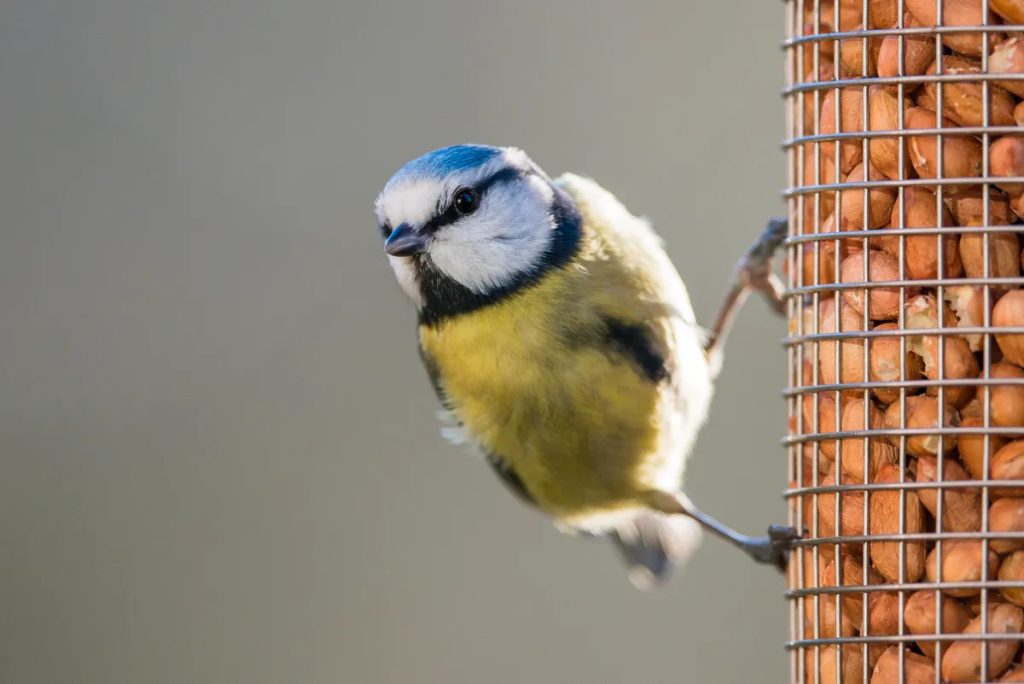
Bird feeders are another excellent addition. Different birds prefer different foods, so offering a variety such as sunflower seeds, millet, peanuts, or nectar attracts diverse species. Fresh water is equally important. A shallow bird bath with clean water encourages birds to drink and bathe daily, especially during hot weather.
Avoid using harmful pesticides that reduce insect populations and contaminate food sources. Instead, allow your garden to support natural insects, which are an essential source of protein for many bird species. Keeping cats indoors during peak bird activity also helps protect visiting birds.
Essential Equipment for Beginners
Starting Backyard Bird Watching does not require expensive equipment. The most valuable tool is a quality pair of binoculars with comfortable magnification, allowing you to observe birds without disturbing them. Choosing lightweight binoculars makes longer observation sessions more enjoyable.
A notebook or bird journal helps record sightings, seasonal changes, and interesting behaviors. Many bird watchers enjoy noting the date, weather conditions, feeding habits, and unique markings of each species they encounter. Over time, these records become a fascinating personal wildlife diary.
Field guides are also useful for identifying birds based on color, size, beak shape, songs, and habitat preferences. Comfortable outdoor seating, appropriate clothing, and a camera are optional additions that enhance the overall experience. Beginners should focus on observing patiently rather than collecting expensive gear.
Learning to Identify Different Bird Species
Bird identification becomes easier with regular observation. Instead of relying solely on color, experienced bird watchers pay attention to body shape, beak size, wing patterns, tail movement, flight style, and feeding behavior. Even birds with similar colors often display distinctive habits that help distinguish one species from another.
Listening carefully is equally important. Many birds are easier to identify by their songs and calls than by appearance alone. Spending quiet mornings outdoors allows you to become familiar with common local bird sounds.
Seasonal changes also affect which birds appear in your backyard. Some remain year-round, while migratory birds arrive only during specific months. Keeping detailed observations gradually improves identification skills and makes every bird sighting more rewarding.
Seasonal Changes in Backyard Bird Activity
Each season offers unique opportunities for Backyard Bird Watching. Spring is often the busiest time as birds build nests, establish territories, and raise young chicks. Singing becomes more frequent, making identification easier for beginners.
Summer provides abundant feeding opportunities as insects become plentiful. Parent birds frequently visit feeders while searching for food for their growing chicks. Gardens filled with blooming flowers attract hummingbirds and insect-eating species.
Autumn brings migration, introducing temporary visitors that may only appear for a few weeks. This season offers exciting opportunities to observe unusual species passing through your area.
Winter can also be surprisingly active. Birds rely more heavily on backyard feeders when natural food becomes scarce. Maintaining fresh water and consistent feeding during colder months encourages regular visits from resident birds.
Photography Tips for Backyard Bird Watching
Photographing birds adds another enjoyable dimension to the hobby. Patience is the most important skill. Rather than chasing birds, remain still and allow them to approach naturally. Birds become more comfortable when human movement is minimal.
Morning and late afternoon provide the best natural lighting for photography. Using trees, shrubs, or portable blinds helps conceal your presence while allowing closer observation. Continuous shooting mode increases the chances of capturing birds in flight or during interesting behaviors.
Always prioritize bird welfare over photography. Avoid disturbing nests or forcing birds to remain in stressful situations. Respectful observation results in more natural photographs and healthier wildlife.
Common Mistakes Beginners Should Avoid
Many newcomers become discouraged because they expect immediate results. Birds often require time to trust a new feeding area. Consistency in providing food and clean water encourages regular visits.
Overfilling feeders without cleaning them can spread disease among birds. Regular cleaning helps maintain healthy feeding stations. Using inappropriate foods such as bread should also be avoided since many birds require more nutritious diets.
Loud noises, sudden movements, and frequent disturbances reduce bird activity. Creating a quiet, peaceful environment improves observation opportunities. Beginners should also avoid approaching nests too closely, as excessive disturbance may cause birds to abandon them.
Educational Benefits for Families and Children
One of the greatest advantages of Backyard Bird Watching is its educational value. Children naturally become curious about birds, asking questions about feathers, nests, migration, and different species. These observations encourage scientific thinking while strengthening connections with the natural world.
Families often enjoy identifying birds together, maintaining observation journals, or participating in seasonal bird counts. These activities promote patience, concentration, and appreciation for wildlife conservation. Outdoor learning also reduces screen time while encouraging healthy physical activity.
Schools increasingly recommend bird observation projects because they combine biology, environmental awareness, geography, and creative writing. Watching birds regularly inspires lifelong respect for nature and biodiversity.
Conservation Through Backyard Bird Watching
Individual homeowners play an important role in bird conservation. Small actions such as planting native vegetation, reducing chemical use, maintaining water sources, and preserving mature trees create valuable habitats for local wildlife.
Climate change and urban development continue reducing natural habitats, making bird-friendly backyards increasingly important. Every garden that provides shelter and food contributes to healthier bird populations.
Sharing knowledge with neighbors, participating in community conservation efforts, and encouraging responsible wildlife observation all strengthen local ecosystems. Even modest outdoor spaces can become valuable refuges for birds throughout the year.
Conclusion
Backyard Bird Watching is far more than a relaxing pastime. It offers opportunities to connect with nature, improve mental well-being, learn about wildlife, and contribute to environmental conservation. By creating a bird-friendly habitat, observing patiently, and respecting wildlife, anyone can transform an ordinary backyard into a thriving sanctuary filled with fascinating bird activity.
Whether you are a beginner discovering your first colorful visitor or an experienced observer expanding your knowledge, every day brings new opportunities for learning and enjoyment. With simple preparation and consistent care, Backyard Bird Watching can become a rewarding lifelong hobby that enriches both your outdoor space and your appreciation of the natural world.
Leave a Reply