Introduction
Rainforests are among the most diverse ecosystems on Earth, covering only a small percentage of the planet’s land while supporting more than half of all known plant and animal species. These lush forests are home to countless fascinating creatures that have evolved incredible adaptations to survive in dense vegetation, humid climates, and competitive environments. Learning Rainforest Animal Facts helps us appreciate the richness of nature and understand why these ecosystems are so important.
From colorful birds and agile monkeys to mysterious reptiles and tiny insects, rainforest animals display remarkable behaviors and unique survival strategies. Every layer of the rainforest—from the forest floor to the towering canopy—supports different species with specialized lifestyles. These forests are found across South America, Africa, Asia, and parts of Australia, creating habitats for animals found nowhere else on Earth.
Understanding Rainforest Animal Facts is more than simply discovering interesting trivia. It also highlights the importance of biodiversity, ecological balance, and conservation efforts needed to protect these fragile environments. As climate change and deforestation threaten rainforest habitats, learning about the animals that live there becomes increasingly valuable for future generations.
What Makes Rainforests Unique?
Rainforests are characterized by heavy rainfall, warm temperatures, and thick vegetation throughout the year. These conditions create an ideal environment for a wide variety of species to thrive. Unlike many other ecosystems, rainforests have multiple vertical layers, including the emergent layer, canopy, understory, and forest floor. Each layer provides unique living conditions for different animals.
One of the most fascinating Rainforest Animal Facts is that every layer hosts distinct wildlife communities. Birds often occupy the canopy where food is abundant, while jaguars, tapirs, and insects roam the forest floor. Frogs, snakes, and reptiles frequently inhabit the understory where moisture levels remain high.
The abundance of food sources such as fruits, flowers, insects, and leaves allows many species to coexist despite intense competition. However, survival requires specialized adaptations including camouflage, powerful climbing abilities, sharp senses, and unique hunting techniques.
Incredible Mammals Found in Rainforests
Rainforest mammals are among the most recognizable animals in the world. Jaguars, orangutans, sloths, chimpanzees, gorillas, and tapirs all depend on rainforest ecosystems for survival. Each species plays a crucial role in maintaining ecological balance.
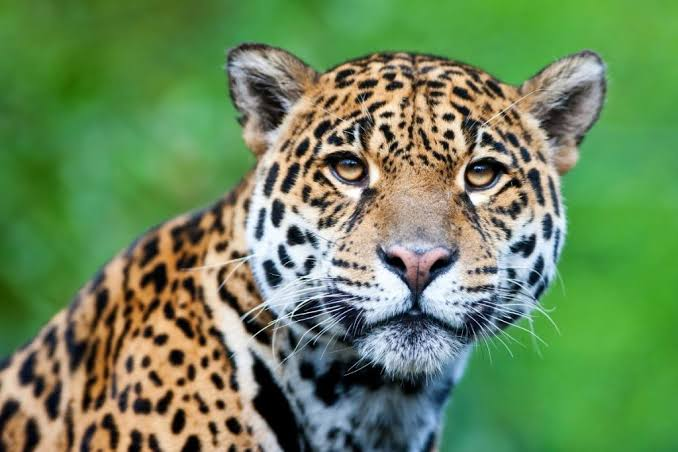
Jaguars are powerful predators that regulate prey populations, while sloths conserve energy through slow movements and low metabolic rates. Orangutans spend much of their lives in trees, using their long arms to travel between branches with remarkable agility. Gorillas rely on dense vegetation for food and shelter, while monkeys help disperse seeds by eating fruit and moving throughout the forest.
These mammals demonstrate remarkable intelligence, social behaviors, and physical adaptations that allow them to survive in challenging environments. Many species communicate through vocal calls, body language, and scent marking, ensuring successful cooperation and territory protection.
Colorful Birds That Brighten Rainforests
Rainforests are famous for their spectacular bird diversity. Bright feathers, unusual beaks, and melodic calls make rainforest birds some of nature’s most impressive creatures. Toucans, macaws, hornbills, parrots, and birds of paradise are among the best-known rainforest residents.
One of the most interesting Rainforest Animal Facts is that many rainforest birds contribute significantly to seed dispersal. By consuming fruits and flying long distances, they spread seeds throughout the forest, helping maintain healthy plant populations.
Colorful feathers are not merely decorative. They often assist in attracting mates, establishing territory, and recognizing members of the same species. Some birds have specialized beaks designed for cracking nuts, extracting nectar, or catching insects hidden beneath tree bark.
Bird songs also serve important purposes including communication, warning calls, and courtship displays, creating the distinctive sounds associated with rainforest environments.
Reptiles and Amphibians with Extraordinary Adaptations
Rainforests provide ideal conditions for reptiles and amphibians because of their consistently warm temperatures and high humidity. Snakes, lizards, crocodiles, turtles, salamanders, and frogs all flourish within these habitats.
Poison dart frogs are especially fascinating due to their brilliantly colored skin, which warns predators about their toxic nature. Tree frogs possess sticky toe pads that allow effortless climbing across wet leaves and branches. Large snakes such as boas and pythons rely on camouflage and patience to ambush prey.
Many reptiles regulate pest populations while serving as prey for larger predators. Amphibians are also important environmental indicators because they are highly sensitive to pollution and habitat changes. Their health often reflects the overall condition of rainforest ecosystems.
Amazing Rainforest Insects
Although often overlooked, insects represent the greatest diversity of rainforest wildlife. Beetles, ants, butterflies, termites, dragonflies, stick insects, and countless other species perform essential ecological functions.
Leafcutter ants cultivate underground fungus gardens, creating one of nature’s most advanced agricultural systems. Butterflies assist with pollination while displaying extraordinary wing patterns that deter predators or mimic poisonous species. Some insects camouflage themselves perfectly as leaves, sticks, or bark to avoid detection.
Scientists continue discovering new rainforest insects every year, revealing just how little we know about these extraordinary ecosystems. Insects recycle nutrients, pollinate plants, decompose organic matter, and provide food for countless larger animals.
Remarkable Survival Strategies
Survival in rainforests demands creativity and constant adaptation. Animals face predators, competition, changing food availability, and environmental challenges daily.
Camouflage remains one of the most common survival strategies. Many insects resemble leaves, while frogs match surrounding moss or bark. Some snakes blend seamlessly into forest vegetation, making them nearly invisible to prey.
Other species rely on speed, strength, or intelligence. Monkeys travel in groups for protection, parrots use loud calls to warn flock members, and jaguars depend on stealth during hunting. Some animals become active only at night, reducing encounters with predators and avoiding daytime heat.
These remarkable adaptations demonstrate evolution’s ability to shape species perfectly suited for rainforest environments.
The Importance of Rainforest Biodiversity
One of the most valuable Rainforest Animal Facts is that biodiversity strengthens ecosystem stability. Every species contributes to maintaining natural balance through pollination, seed dispersal, decomposition, or predator-prey relationships.
When one species disappears, many others may also suffer. Pollinators support flowering plants, herbivores influence vegetation growth, and predators regulate animal populations. Together they create interconnected food webs essential for healthy forests.
Rainforests also influence global climate by storing carbon, producing oxygen, and regulating rainfall patterns. Healthy wildlife populations contribute directly to these environmental services, benefiting people around the world.
Protecting biodiversity ensures future generations can continue enjoying the extraordinary richness of rainforest life.
Threats Facing Rainforest Animals
Despite their incredible diversity, rainforest animals face growing threats. Deforestation remains the largest danger as forests are cleared for agriculture, logging, mining, and urban development. Habitat fragmentation isolates wildlife populations, making breeding and survival increasingly difficult.
Climate change alters rainfall patterns and temperatures, affecting food availability and migration behaviors. Illegal wildlife trade also threatens numerous species, particularly colorful birds, reptiles, and mammals desired as exotic pets.
Pollution further damages freshwater habitats where amphibians and aquatic animals depend on clean water. Combined, these pressures place many rainforest species at risk of extinction.
Understanding Rainforest Animal Facts encourages greater awareness of these conservation challenges and inspires responsible environmental choices.
How Conservation Protects Rainforest Wildlife
Conservation organizations, governments, researchers, and local communities work together to preserve rainforest ecosystems. Protected national parks, wildlife reserves, anti-poaching initiatives, and sustainable forestry practices all contribute to safeguarding biodiversity.
Environmental education helps people understand the value of preserving natural habitats. Reforestation projects restore damaged forests, while scientific research improves knowledge about endangered species and ecosystem health.
Individuals can also support conservation by reducing unnecessary consumption of products linked to deforestation, supporting responsible businesses, and spreading awareness about rainforest protection.
The future of countless species depends upon continued conservation efforts and global cooperation.
Fascinating Rainforest Animal Facts You Should Know
Many rainforest animals possess astonishing abilities that seem almost unbelievable. Some frogs can glide between trees, while flying squirrels leap impressive distances using skin membranes. Electric fish navigate murky waters using electrical signals rather than vision.
Certain spiders build enormous webs capable of catching surprisingly large insects. Army ants form massive colonies that travel together searching for food. Sloths grow algae in their fur, providing natural camouflage while supporting tiny organisms.
One of the most inspiring Rainforest Animal Facts is that scientists continue discovering previously unknown species every year. Hidden within remote forests are animals waiting to be studied, reminding us that Earth’s biodiversity remains full of surprises.
These fascinating discoveries demonstrate how much remains to be learned about rainforest ecosystems and the incredible creatures they support.
Conclusion
Rainforests represent one of Earth’s greatest natural treasures, providing homes for extraordinary wildlife found nowhere else. From majestic jaguars and colorful macaws to tiny poison dart frogs and hardworking leafcutter ants, every species contributes to the health of these remarkable ecosystems. Learning Rainforest Animal Facts helps us appreciate the complexity, beauty, and importance of tropical forests while encouraging greater respect for the natural world.
As deforestation, climate change, and habitat loss continue to threaten biodiversity, conservation has never been more important. Protecting rainforest habitats safeguards countless animal species while preserving essential environmental services that benefit the entire planet. By understanding and sharing Rainforest Animal Facts, we can inspire greater awareness and encourage meaningful actions that ensure these magnificent ecosystems continue thriving for generations to come.
Leave a Reply